
A sudden power cut can wipe out hours of work or shut down critical systems. Even a tiny flicker is enough to cause data corruption, equipment damage, and costly downtime.
A "no break," also known as an Uninterruptible Power Supply (UPS), provides instant battery power to your equipment during a power outage. Its job is to ensure a seamless, continuous flow of electricity so your critical devices never shut down unexpectedly.
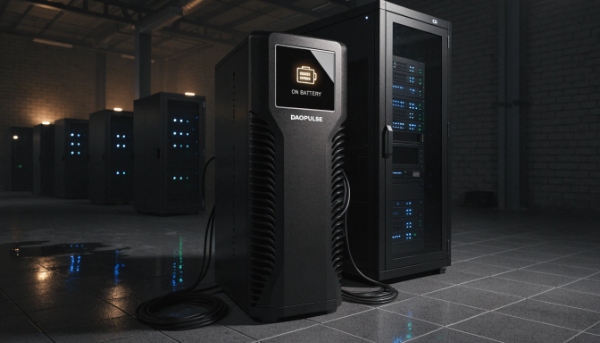
The terminology in the power industry can be confusing. I've spent a decade working with system integrators and procurement managers across the globe. We've found that different regions use different names for the same technology. The key insight, especially from our partners in South America, is that "no break" simply means a power supply that provides uninterrupted power. Let's break down exactly what that means for your business and how it protects your valuable assets.
What is No Break Power Transfer?
You invested in a power backup, but your sensitive equipment still reboots during an outage. That tiny delay, or "break," in the power transfer makes your backup solution almost useless.
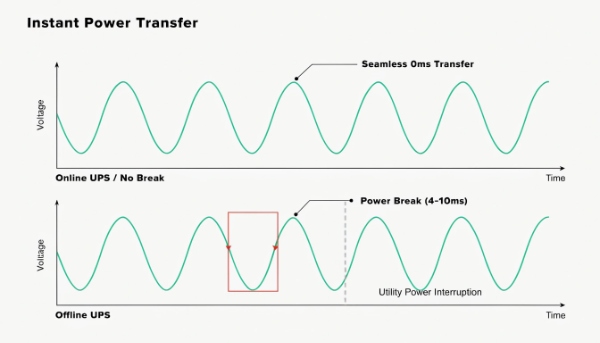
"No break" power transfer is a seamless, instantaneous switch from utility power to battery power with zero delay. This 0ms transfer time, found in online UPS systems, ensures that sensitive electronics never experience even a millisecond of power loss.
The Difference Between Online and Offline UPS
The term "no break" truly applies to one specific type of UPS: the online model. Cheaper standby or offline units have a small but significant delay when they switch to battery power. This gap is the "break." For a desktop computer, this might be okay. For a server, medical device, or industrial controller, it's a disaster. That's why we, as engineers, focus on perfecting online technology. We design systems that constantly regenerate a perfect power signal, so there is no switch and therefore no chance of a break. The protected equipment is always running on clean, stable power from the UPS inverter.
| UPS Type | Transfer Time | Best Use Case |
|---|---|---|
| Online (True "No Break") | 0 milliseconds | Servers, Hospitals, Data Centers |
| Line-Interactive | 4-6 milliseconds | PCs, Office Equipment |
| Offline (Standby) | 8-10 milliseconds | Non-critical personal devices |
What is the Meaning of No Break?
You hear people use terms like "UPS," "inverter," and "no break" to describe power backup. This confusing language makes it difficult to know if you are purchasing the right technology.
"No break" literally means "no interruption." It's a popular and descriptive term, especially in South America, for an Uninterruptible Power Supply (UPS). It perfectly describes the device's most important function: to provide continuous power without any break.

Global Terminology for Power Protection
I remember working on a project with a new client in Brazil. They kept requesting a quote for a "no break" to protect their hospital's imaging equipment. My newer sales team members were confused, as our product catalog listed everything as a "UPS." I explained that they are the same thing. "No break" is just the common name for a UPS in their market. It was a great reminder that understanding the customer's language is key. As an OEM/ODM manufacturer serving a global market, we know the different terms people use. But whether you call it a UPS, a no break, or a power backup system, the goal is universal: reliable, uninterrupted power. We build our systems to meet that universal need.
| Term | Common Region | Meaning |
|---|---|---|
| UPS (Uninterruptible Power Supply) | Global Technical Standard | The industry-standard name. |
| No Break / Nobreak | South America, parts of Europe | A descriptive name for a UPS. |
| Power Backup | General / Consumer | A general term for any backup power. |
What is a No Break and How Does It Differ from a UPS?
The terms "no break" and "UPS" seem to be used for the same device. This makes you wonder if you are missing a subtle technical difference that could impact your project.
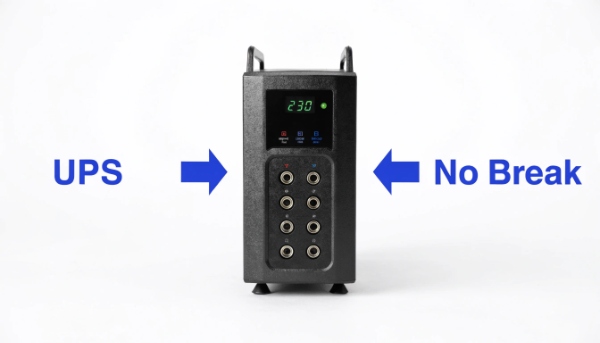
A "no break" does not differ from a UPS; they are simply two names for the same technology. "UPS" is the universal technical term, while "no break" is a descriptive, regional name that highlights the device's function of preventing power interruptions.
Why "No Break" Often Implies Online UPS
While the terms are interchangeable, "no break" often carries a stronger meaning. It’s like the difference between saying you have a "car" versus a "high-performance vehicle." Both are cars, but the second implies a higher standard. When a knowledgeable client like a system integrator specifies a "no break," they are usually implicitly demanding the best level of protection. They mean a system with zero transfer time—an online UPS. They know that cheaper offline models have a "break" in their power transfer. Because they need to protect sensitive servers or medical equipment, any break is unacceptable. So, when we receive an inquiry for a "no break," we know the client values true, uninterrupted, and clean power. This is exactly what our online UPS technology is designed to deliver.
What is a Break in Power?
We've focused on "no break," so it's important to understand the opposite. What exactly is a "break" in power, and why is it so damaging to your equipment?
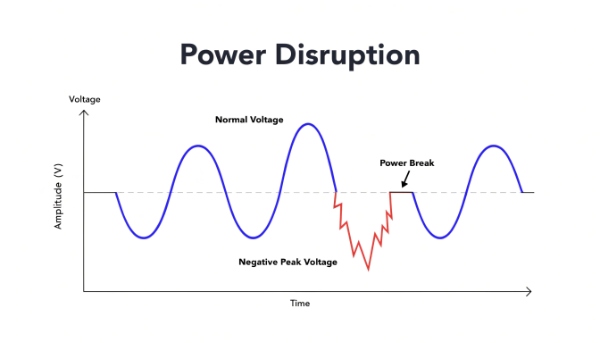
A "break" in power is any interruption in the electrical flow, even for a fraction of a second. This can be a full blackout or a tiny transfer gap inside a cheaper UPS, both of which can cause sensitive electronics to fail.
More Than Just Blackouts
A "break" isn't just a total loss of power. The power from the wall is often unstable and full of problems that can harm your equipment. A true online "no break" system is designed to solve all of them. It acts as a firewall between the chaotic utility grid and your valuable devices. It takes in the "dirty" power, converts it, and rebuilds a brand new, perfect, and stable electrical signal. This means your equipment is never exposed to the sags, surges, or breaks from the outside world. It's completely isolated and protected. This is why for critical applications, an online UPS1 isn't a luxury; it's a fundamental requirement for reliability and safety.
| Power Problem | Description | Effect on Equipment |
|---|---|---|
| Blackout | Total power loss | Complete shutdown, data loss. |
| Brownout (Sag) | Low voltage for a period | Stress on components, unexpected reboots. |
| Surge (Spike) | Sudden high voltage | Permanent damage to electronics. |
| Transfer Gap | A "break" in a cheap UPS | Reboot of sensitive devices. |
Conclusion
A "no break" is a UPS, a device essential for providing continuous, stable power. It protects your critical systems from any outage, ensuring your operations run smoothly and without interruption.
-
Understanding online UPS systems can help you choose the right power protection for your critical equipment. ↩