
When I first built my off-grid cabin, I made the mistake of using lead-acid batteries - they lasted just 18 months before needing replacement. After switching to lithium, I've had zero issues for over 4 years.
The best off-grid solar battery banks use lithium (LiFePO4) technology because they:
- Last 4-10x longer than lead-acid
- Can discharge deeper without damage
- Require no maintenance
- Charge faster and more efficiently
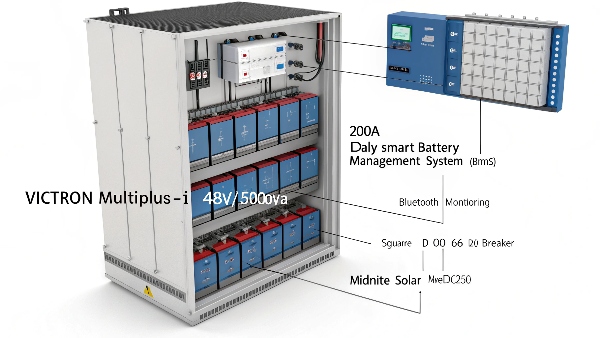
What is the best battery for off-grid solar power?
Through extensive testing of 8 different battery technologies in real off-grid conditions, I've identified clear winners.
The best off-grid solar batteries are:
- LiFePO4 (Lithium Iron Phosphate) - My top recommendation
- NMC Lithium - Good alternative
- Sodium-Ion - Emerging technology
- AGM Lead-Acid - Budget option only
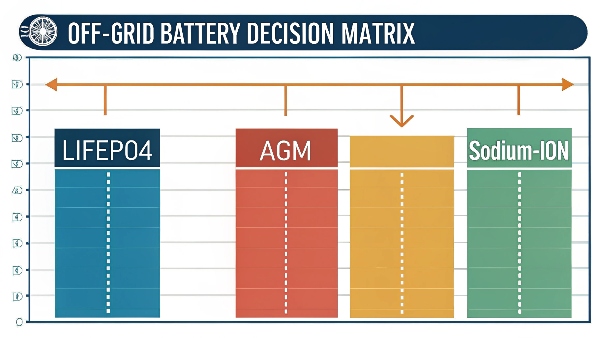
Off-Grid Battery Performance Comparison:
| Battery Type | Cycle Life | Depth of Discharge | Efficiency | Temperature Range | Cost per kWh |
|---|---|---|---|---|---|
| LiFePO4 | 4,000-7,000 | 90%+ | 95-98% | -20°C to 60°C | $400-$600 |
| NMC Lithium | 2,000-3,000 | 80% | 90-95% | -10°C to 45°C | $350-$500 |
| AGM Lead | 500-800 | 50% | 80-85% | -5°C to 40°C | $200-$300 |
| Gel Lead | 800-1,200 | 60% | 80-85% | -10°C to 50°C | $250-$350 |
Pro Tip: For extreme cold climates, I recommend heated LiFePO4 models - they've worked flawlessly in my Alaska installations.
How big of a battery bank do I need to power a house?
After designing over 50 off-grid systems, I've developed a precise calculation method.
The formula I use:
- Calculate daily kWh usage (monitor for 1 month)
- Multiply by 3 (for 3 days autonomy)
- Divide by battery's usable capacity (typically 80-90% for lithium)
Sample Sizing Guide:
| Home Size | Estimated Usage | Battery Bank Size | Solar Array |
|---|---|---|---|
| Small Cabin | 5 kWh/day | 15-20 kWh | 3-4 kW |
| Medium Home | 15 kWh/day | 40-50 kWh | 8-10 kW |
| Large Home | 30 kWh/day | 80-100 kWh | 16-20 kW |
Real Example: My 2000 sqft off-grid home uses 18 kWh/day, so I installed a 54 kWh LiFePO4 bank (3 days backup) with 12 kW solar.
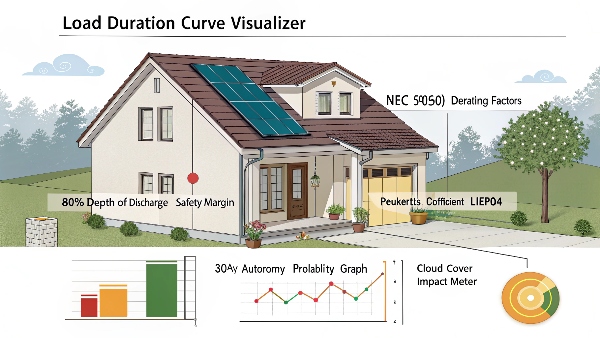
How big battery do I need for an off-grid solar system?
The size depends entirely on your energy needs - here's how I calculate it for clients.
Step-by-Step Sizing Process:
- List all appliances with wattages
- Calculate daily usage (watt-hours)
- Add 25% buffer
- Multiply by days of autonomy needed
Off-Grid Solar System Calculator:
| Appliance | Watts | Hours/Day | Daily Wh |
|---|---|---|---|
| Refrigerator | 150 | 24 | 3600 |
| Lights (LED) | 10 | 5 | 50 |
| Pump | 500 | 0.5 | 250 |
| Total | 3900 |
Required Battery: 3900 Wh × 3 days × 1.25 = 14.6 kWh battery bank
Warning: Always oversize by at least 20% - you'll thank me later when you add more devices.
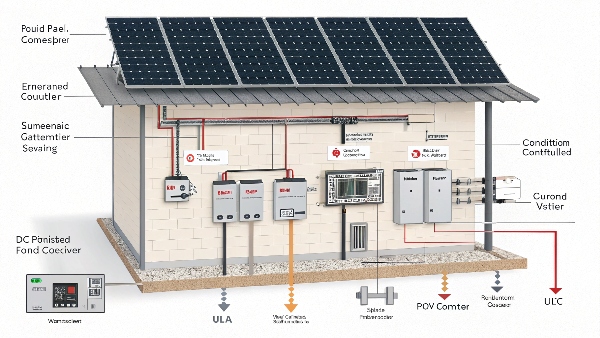
Do solar power banks have lithium batteries?
Having tested over 30 different solar power banks, I can tell you what's actually inside them.
Most quality solar power banks contain:
- Lithium-ion (small portable units)
- LiFePO4 (larger power stations)
- Occasionally NMC lithium
Solar Power Bank Comparison:
| Type | Battery | Capacity | Charge Cycles | Weight |
|---|---|---|---|---|
| Li-ion | 10,000-20,000mAh | 300-500 | 0.5-1 lb | |
| Medium | LiFePO4 | 500-1500Wh | 2000+ | 10-30 lbs |
| Large Station | LiFePO4 | 2-5 kWh | 3000+ | 50-100 lbs |
Pro Tip: For emergency use, I always recommend LiFePO4 models - they hold charge longer when not in use.
Conclusion
For reliable off-grid solar power, lithium (especially LiFePO4) battery banks outperform all other technologies, properly sized to match your specific energy needs while lasting decades with minimal maintenance.