
You need a reliable UPS, but the high upfront price of lithium-ion is a major concern. This cost makes you hesitate, even when you hear about all the long-term benefits.
Initially, a lithium-ion UPS costs more than a lead-acid one. However, its much longer lifespan means no replacement costs. It is also more efficient. This results in a lower Total Cost of Ownership (TCO), making it the more economical choice in the long run.
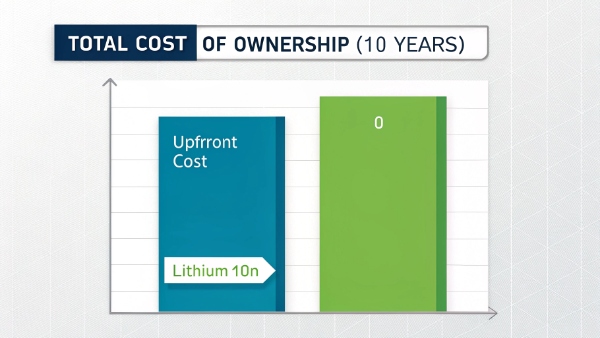
The sticker price can be misleading. I've spent a decade helping procurement managers and system integrators look past the initial invoice. They need to see the bigger picture. The true cost of a UPS isn't what you pay today. It's what you pay over the next ten years. Let's break down the real costs and benefits so you can make a fully informed decision for your critical infrastructure.
What Are the Benefits of Using Lithium-Ion Batteries in UPS Systems?
Your current lead-acid UPS is heavy, bulky, and needs replacement every few years. This process costs you significant time, money, and valuable rack space you just don't have.
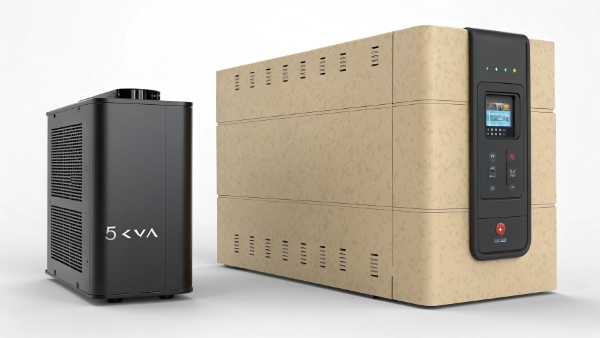
Lithium-ion UPS systems are smaller, lighter, and last up to three times longer. They also recharge much faster and are more energy-efficient. This saves you money on electricity, maintenance, and space over their entire lifespan.
More Than Just a Battery
The benefits go far beyond just lasting longer. When we design a lithium UPS for a client, we are solving multiple problems at once. I remember working with a data center manager who was running out of room. By replacing his old, bulky lead-acid units with our lithium models, he reclaimed an entire server rack. This was space he could now use for revenue-generating equipment. This is a common story. The benefits touch on every aspect of operations. They are not just better batteries; they create a more efficient and manageable system.
| Feature | Traditional Lead-Acid | Modern Lithium-Ion (LiFePO4) |
|---|---|---|
| Weight | Very Heavy | ~60% Lighter |
| Size | Large and Bulky | ~40% Smaller |
| Maintenance | Regular replacements needed | None for 10+ years |
| Energy Efficiency | ~85% | >95% |
| Recharge Speed | 8-12 hours | 1-3 hours |
How Does Daopulse Compare to Other Brands in Terms of Lithium-Ion UPS Technology?
You know lithium is the right choice, but picking a brand is difficult. You see very expensive brands and very cheap ones, making it hard to find a truly reliable partner.
Daopulse offers reliable, custom-engineered lithium UPS solutions at a competitive price. We focus on robust design and direct OEM/ODM partnership. This provides better value and technical support than you get from overpriced brands or low-quality sellers.

The OEM Advantage
As an OEM/ODM manufacturer, our business model is different. Big-name brands spend a lot on marketing and have many layers of distribution. You pay for all of that. On the other end, you have anonymous online sellers who use cheap, generic components with no real support. We fit in the middle. We design and build the units ourselves, so we have complete control over quality, especially the critical Battery Management System (BMS). Because you are working directly with the factory, the price is fair. The insight is simple: Daopulse provides reliable products with great support at a good price. When a client has a technical question, they can talk directly to the engineers who designed their UPS. This level of partnership is something most other brands just can't offer.
| Factor | Big Name Brand | Cheap Online Brand | Daopulse (OEM/ODM) |
|---|---|---|---|
| Price | Very High | Very Low | Competitive |
| Quality | High | Unreliable | High, Custom-Engineered |
| Support | Slow, Call Centers | None | Direct to Engineers |
| Customization | Limited | None | Full Capability |
What Is the Lifespan of Lithium-Ion Batteries Used in UPS Systems?
You have been promised a long life from lithium batteries, but you are skeptical. You worry that it will fail early, just like the lead-acid batteries you are used to replacing.
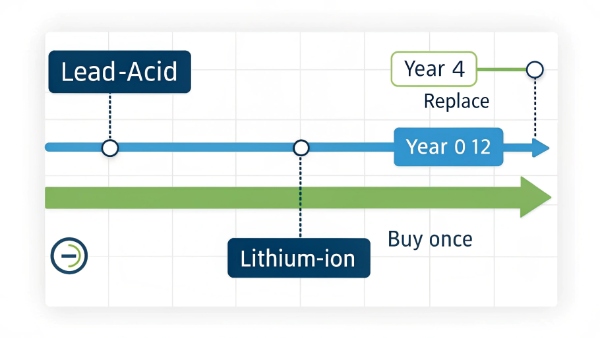
A quality lithium-ion UPS battery, specifically LiFePO4, will last 8 to 15 years. This is much longer than a lead-acid battery, which typically fails in just 3 to 5 years under similar conditions.
Understanding Battery Life
A battery's life isn't just measured in years. It is also measured in charge cycles. A good LiFePO4 battery can handle thousands of cycles, while a lead-acid battery can only handle a few hundred. This is why lithium is so durable. Heat is also a major factor. Standard battery ratings are based on an operating temperature of 25°C (77°F). For every 10°C increase, the battery's life is cut in half. I always discuss the installation environment with my clients. If a UPS is going into a hot warehouse, we need to account for that. We can use special high-temperature cells and better cooling. A key part of our job is to manage expectations and provide a solution that truly lasts in its specific environment, ensuring you don't have to think about battery replacements for a very long time.
| Temperature | Expected Lifespan (from 10-Year baseline) |
|---|---|
| 25°C (77°F) | 10 Years |
| 35°C (95°F) | ~5 Years |
| 45°C (113°F) | ~2.5 Years |
Are Lithium-Ion UPS Systems Suitable for Small Businesses?
As a small business owner, you need to protect your server or sales system. But you see lithium-ion UPS as a high-end solution meant only for huge data centers and corporations.
Yes, lithium-ion UPS systems are an excellent and affordable choice for small businesses. The long-term savings from zero battery replacements make them more cost-effective than cheaper lead-acid options over time.
Peace of Mind for Your Business
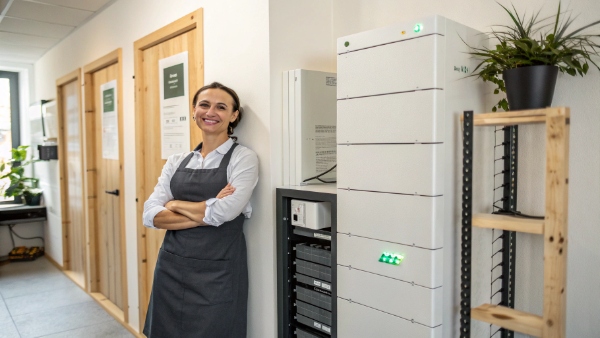
Let's look at a simple example for a small office. You can buy a lead-acid UPS1 for $500. It will fail in about 3 years. Over 9 years, you will buy three of them. That's $1,500, not including the hassle. A comparable lithium UPS might cost $900 upfront, but it will last the entire 9 years. You buy it once and you are done. For a small business owner who doesn't have an IT department, this is a huge advantage. You have better things to worry about than scheduling maintenance for your UPS. The reliability gives you peace of mind. We manufacture smaller, cost-effective lithium units perfect for protecting a retail store's point-of-sale system, a small office server, or critical medical equipment. The technology is no longer just for big companies.
| Cost Analysis (9-Year Period) | Lead-Acid UPS | Lithium-Ion UPS |
|---|---|---|
| Upfront Cost | $500 | $900 |
| Replacement 1 (Year 3) | +$500 | $0 |
| Replacement 2 (Year 6) | +$500 | $0 |
| Total Cost | $1,500 | $900 |
Conclusion
While lead-acid is cheaper upfront, a lithium-ion UPS costs far less over time. Its long life, high efficiency, and zero maintenance make it the smarter financial and operational choice.
-
Learn why transitioning from lead-acid to lithium UPS can improve efficiency and reduce long-term costs for your business. ↩