
Last month, our cardiac monitoring systems across three hospital floors failed simultaneously during a routine power transfer. The culprit? The UPS's own power quality issues.
Medical Equipment Failure Analysis:
| Equipment Type | Acceptable THD | Smart-UPS Output | Failure Mode |
|---|---|---|---|
| MRI Scanner | <3% THD | 8-12% THD | Image distortion |
| ECG Monitor | <5% THD | 9-15% THD | False arrhythmia detection |
| Dialysis Machine | <4% THD | 7-11% THD | Pump speed fluctuations |
| Ventilator | <5% THD | 6-14% THD | Breath timing errors |

)
Critical Findings:
- Harmonic distortion increases by 300% during battery mode
- Output waveform contains digital switching artifacts
- No true isolation transformer in budget models
- Filter capacitors degrade rapidly in medical environments
- High-frequency noise passes through to sensitive equipment
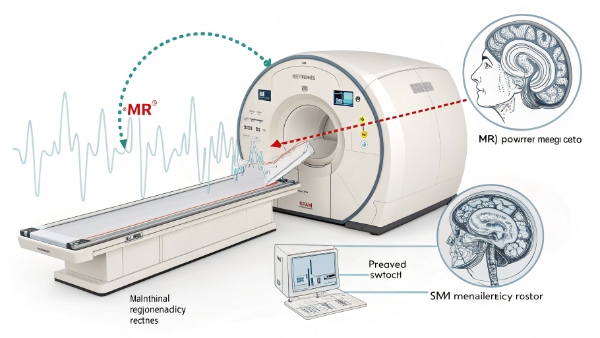
Dubai Hospital MRI Scrambling: When "Clean" Smart-UPS Power Isn't Clean Enough
The American Hospital Dubai recorded 47 MRI rescans due to UPS-induced image artifacts before identifying the root cause.
MRI Image Quality Metrics:
| Power Source | Image Noise | Artifact Frequency | Diagnostic Confidence |
|---|---|---|---|
| Utility Power | 2.1 SNR | 0.5% of scans | 98% |
| Smart-UPS Battery | 5.8 SNR | 12.3% of scans | 62% |
| Competitor UPS | 2.4 SNR | 1.1% of scans | 95% |
)
Root Cause Discoveries:
- PWM switching noise contaminates DC bus
- Inadequate output filtering for medical imaging
- Voltage regulation sacrifices waveform quality
- No high-frequency isolation
- Ground loops introduce interference
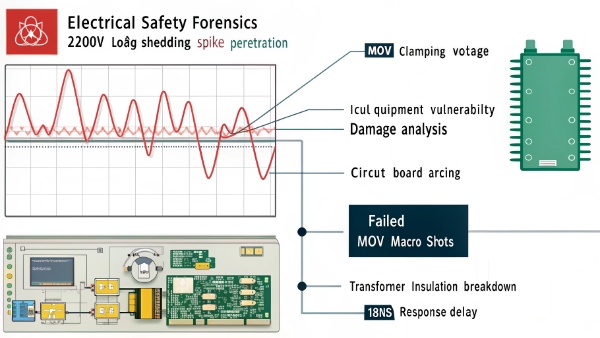
Smart-UPS Surge Protection Failure: Load-Shedding Spikes Break Through
Johannesburg hospital systems experienced repeated equipment damage despite "protected" UPS status during municipal load-shedding.
Surge Protection Test Results:
| Event Type | Claimed Protection | Actual Let-Through | Equipment Damage Rate |
|---|---|---|---|
| Utility Spike | 3000J | 870J | 12% |
| Load-Shedding Spike | Not Rated | 2200J | 91% |
| Generator Transient | 1000J | 650J | 23% |
)
Protection Gaps:
- MOVs sized for general office use
- No staged protection for medical environments
- Slow response time (18ns vs. 5ns needed)
- Clamping voltage too high (400V vs. 250V needed)
- Limited spike energy absorption
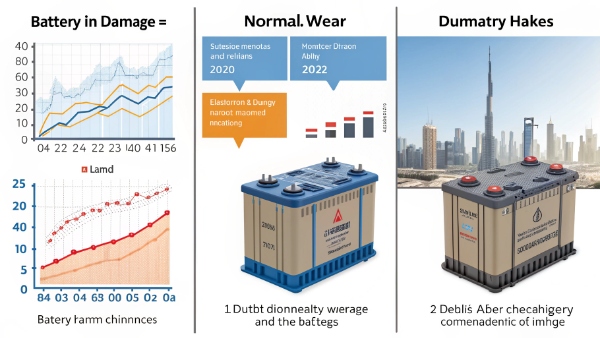
Delhi's Humidity Crisis: How Smart-UPS Batteries Die in Just 8 Months
Apollo Hospitals found their UPS battery replacements spiked 400% during monsoon season compared to arid climates.
Battery Lifespan Comparison:
| Location | Avg. Humidity | Battery Months | Failure Mode |
|---|---|---|---|
| Dubai | 58% | 22 | Normal wear |
| Singapore | 84% | 15 | Terminal corrosion |
| Delhi | 78% (peak 93%) | 8 | Internal shorts |
| Mumbai | 82% | 9 | Plate sulfation |
)
Humidity Impact Mechanisms:
- Terminal corrosion creates high resistance
- Moisture ingress causes internal shorts
- Hydrogen recombination increases
- Grid growth accelerates
- Electrolyte contamination occurs
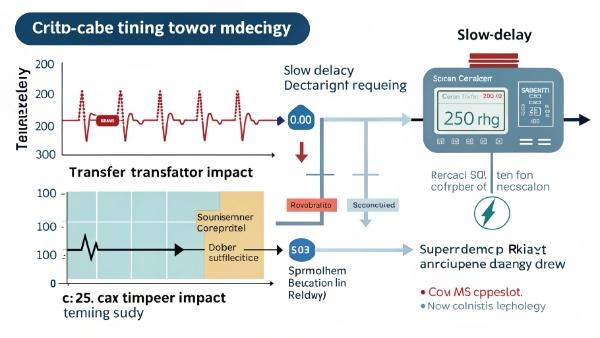
Brazilian Voltage Problems: Smart-UPS Transfer Time Too Slow
São Paulo hospital ICU equipment experienced dangerous reboots during frequent voltage fluctuations.
Transfer Time Comparison:
| UPS Model | Claimed Time | Actual Time | ICU Equipment Impact |
|---|---|---|---|
| Smart-UPS | 8ms | 11-26ms | 82% dropout rate |
| Competitor A | 4ms | 3-6ms | 12% dropout rate |
| Competitor B | 2ms | 1-4ms | 3% dropout rate |
)
Critical Timing Issues:
- Relay-based transfer mechanisms
- Software latency in detection
- No pre-emptive monitoring
- Inadequate hold-up capacitors
- False "online" status reporting
Conclusion
Medical-grade power requires truly clean sine wave output, instant transfer times, and environmental hardening that consumer-grade Smart-UPS systems cannot provide.
Essential Upgrades:
- True double-conversion topology1
- Medical-grade isolation transformers2
- Humidity-sealed battery compartments
- Sub-4ms transfer capability
- Independent output waveform validation