
Power outages strike when you least expect them. Lithium UPS systems offer superior protection compared to traditional lead-acid UPS units—here's how.
Lithium UPS systems provide longer lifespan, faster charging, lighter weight, and higher efficiency compared to lead-acid batteries. They are ideal for critical applications needing reliable backup power with minimal maintenance.
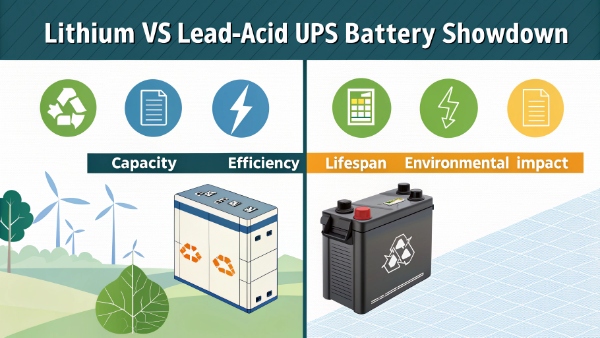
Modern businesses demand reliable power solutions, and lithium UPS systems deliver unmatched performance. Let's break down their key advantages.
How Long Does a UPS Work Without a Power Supply?
A sudden blackout can leave your equipment vulnerable—how long can your UPS really last?
Runtime depends on battery capacity and load size, typically ranging from 5 minutes to several hours. Always check the manufacturer's specifications for exact backup times.
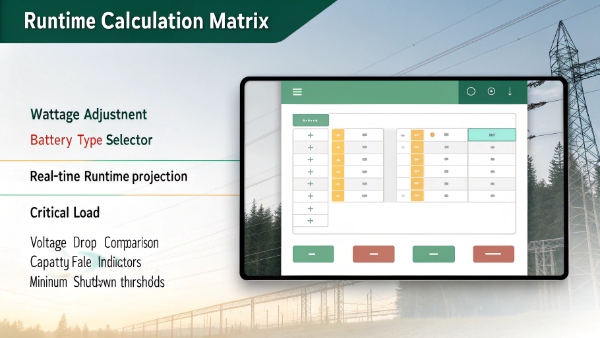
Factors Affecting Runtime
| Factor | Impact on UPS Runtime | Example Scenarios |
|---|---|---|
| Battery Capacity | Higher capacity = longer runtime | 1000VA lasts longer than 500VA |
| Load Size | More devices = shorter runtime | Running servers reduces backup time |
| Battery Condition | Old batteries lose efficiency | 3-year-old batteries may last only 60% as long |
| Temperature | Extreme heat/cold reduces efficiency | Batteries perform best at 20-25°C (68-77°F) |
Understanding these factors helps optimize your UPS performance during outages.
What Are the Features of UPS?
A UPS does more than just provide backup power—what else should you know?
UPS systems offer surge protection, voltage regulation, battery backup, and automatic shutdown capabilities. These features protect sensitive electronics from power fluctuations.
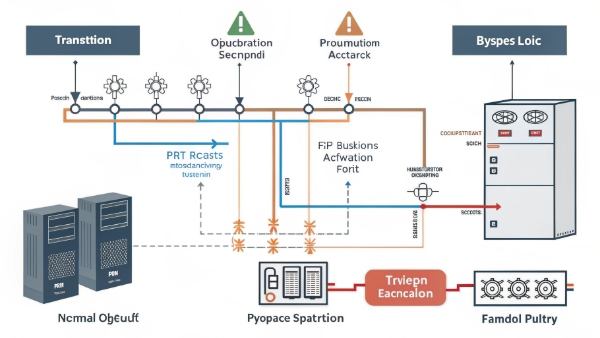
Essential UPS Functions
- Surge Protection – Guards against voltage spikes
- Voltage Regulation – Stabilizes inconsistent power supply
- Battery Backup – Provides temporary power during outages
- Automatic Shutdown – Safely powers down equipment
- Power Conditioning – Filters electrical noise
Each feature ensures stable operation and prolongs equipment lifespan.
What Are the Key Features to Look for in an Online UPS?
Not all UPS systems are equal—what makes an online UPS superior?
Online UPS provides continuous power conditioning and zero transfer time, ensuring seamless operation even during outages.
Online UPS Advantages
| Feature | Benefit | Best For |
|---|---|---|
| Double Conversion | Converts power twice for pure output | Sensitive medical equipment |
| Zero Transfer Time | Instantaneous switch to battery | Data centers |
| Superior Voltage Regulation | Prevents fluctuations | Telecommunications |
| Advanced Monitoring | Remote alerts & diagnostics | Critical infrastructure |
This type of UPS is ideal for environments where downtime is unacceptable.
What Are the Different Types of UPS Systems?
Choosing the wrong UPS can mean wasted money—what options exist?
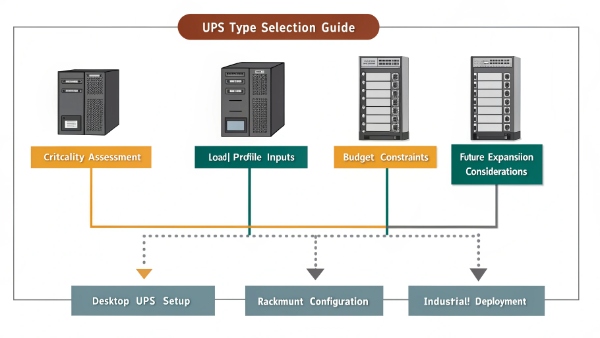
Three main types exist: Standby, Line-interactive, and Online UPS, each suited for different needs and budgets.

UPS Comparison Guide
| Type | Transfer Time | Cost | Best Uses |
|---|---|---|---|
| Standby (Offline) | Milliseconds | $$ | Desktops, Home Use |
| Line-interactive | Faster response | $$$ | Small businesses |
| Online | Zero delay | $$$$ | Servers, Hospitals |
Understanding these differences helps select the right UPS for your requirements.
Conclusion
Lithium UPS1 systems outperform lead-acid alternatives with longer lifespans and faster charging. Selecting the right UPS depends on runtime needs, features, and criticality of your equipment.
Key Takeaways:
- Lithium UPS lasts longer & charges faster
- Runtime depends on battery size & load
- Online UPS2 offers best protection
- Three main UPS types suit different needs