When thinking about protecting our computers, many wonder if UPS systems are still necessary. Power problems can still damage electronics despite modern advancements.
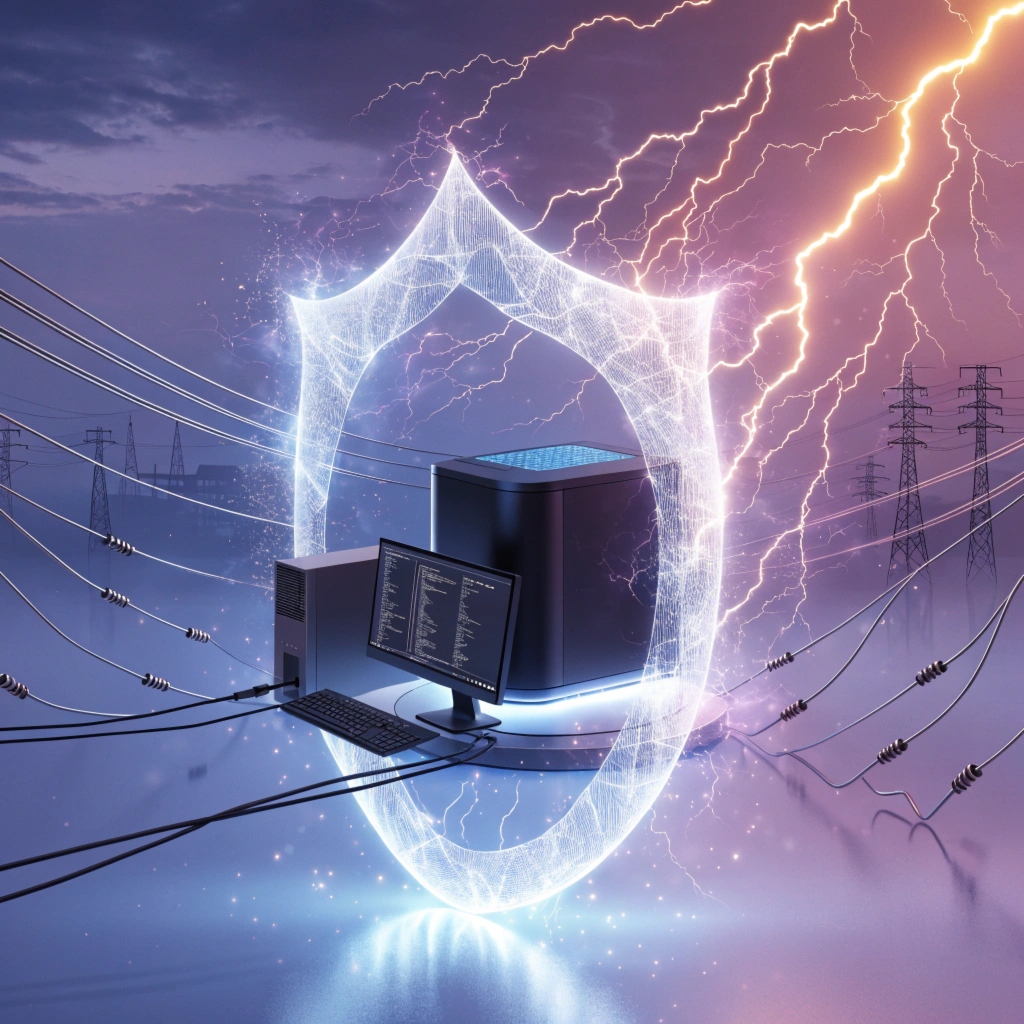
A UPS protects your PC from power issues like blackouts, surges, and brownouts. Even with stable power grids, these problems still happen and can cause data loss or hardware damage.
%(percentage)UPS protecting PC setup
While some believe modern power supplies make UPS obsolete, the truth is different. Power disturbances remain common in many areas. Even a brief outage can cause work loss or system crashes.
What is Automatic Voltage regulator (AVR)?
Power fluctuations happen frequently. These can slowly damage your electronics over time.
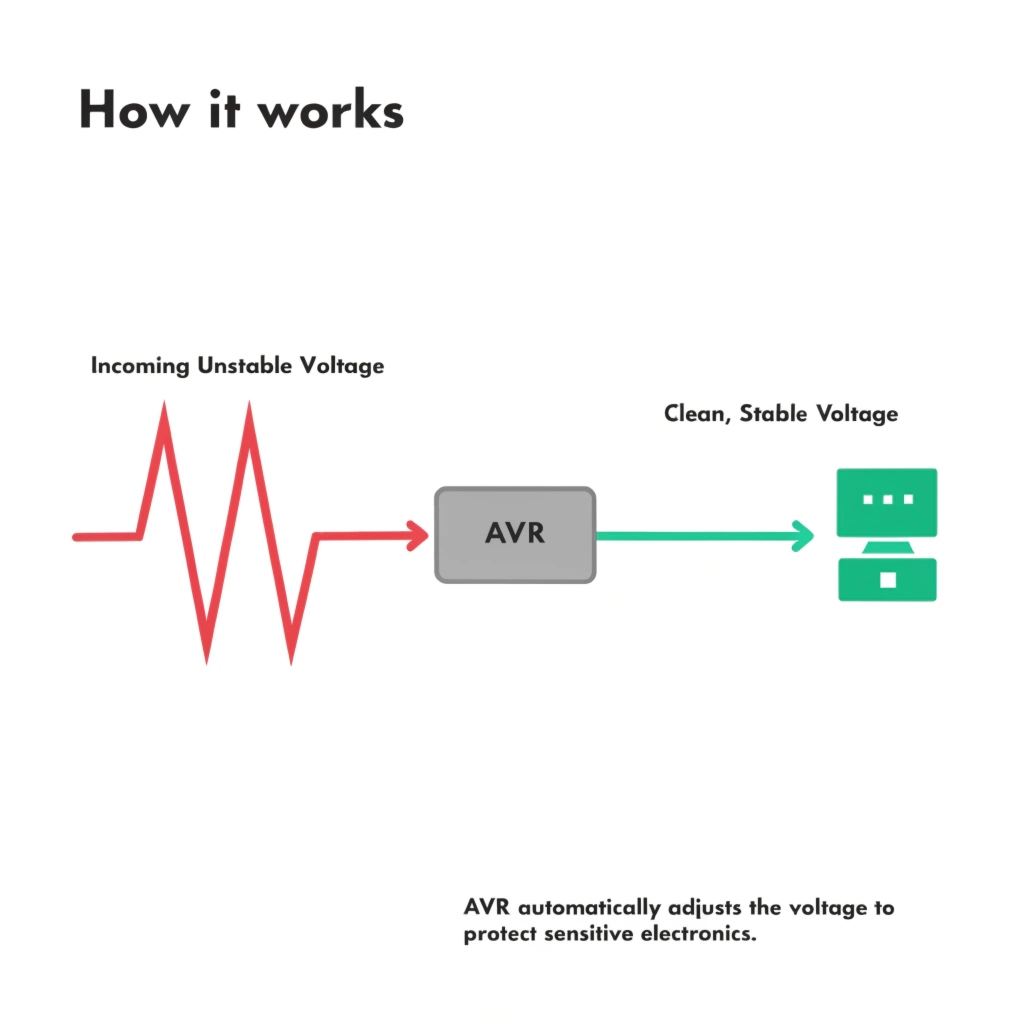
An AVR automatically adjusts voltage levels to keep them stable. It protects devices from damage caused by high or low voltage without needing battery power.
%(percentage)AVR component diagram
AVRs serve a different purpose than backup batteries. They work constantly to maintain correct voltage:
| Feature | AVR | Battery Backup |
|---|---|---|
| Function | Regulates voltage | Provides power during outage |
| Power Source | Mains electricity | Batteries |
| Response Time | Instant | 2-10ms switchover |
| Protection | Against spikes/sags | Against blackouts |
AVRs are particularly valuable in areas with unstable power. They prevent the slow degradation of components caused by inconsistent voltage. Many modern UPS systems include both AVR and battery backup.
What are the key features of Luminous UPS systems?
Power solutions need to fit modern requirements. Luminous offers specific advantages for various needs.
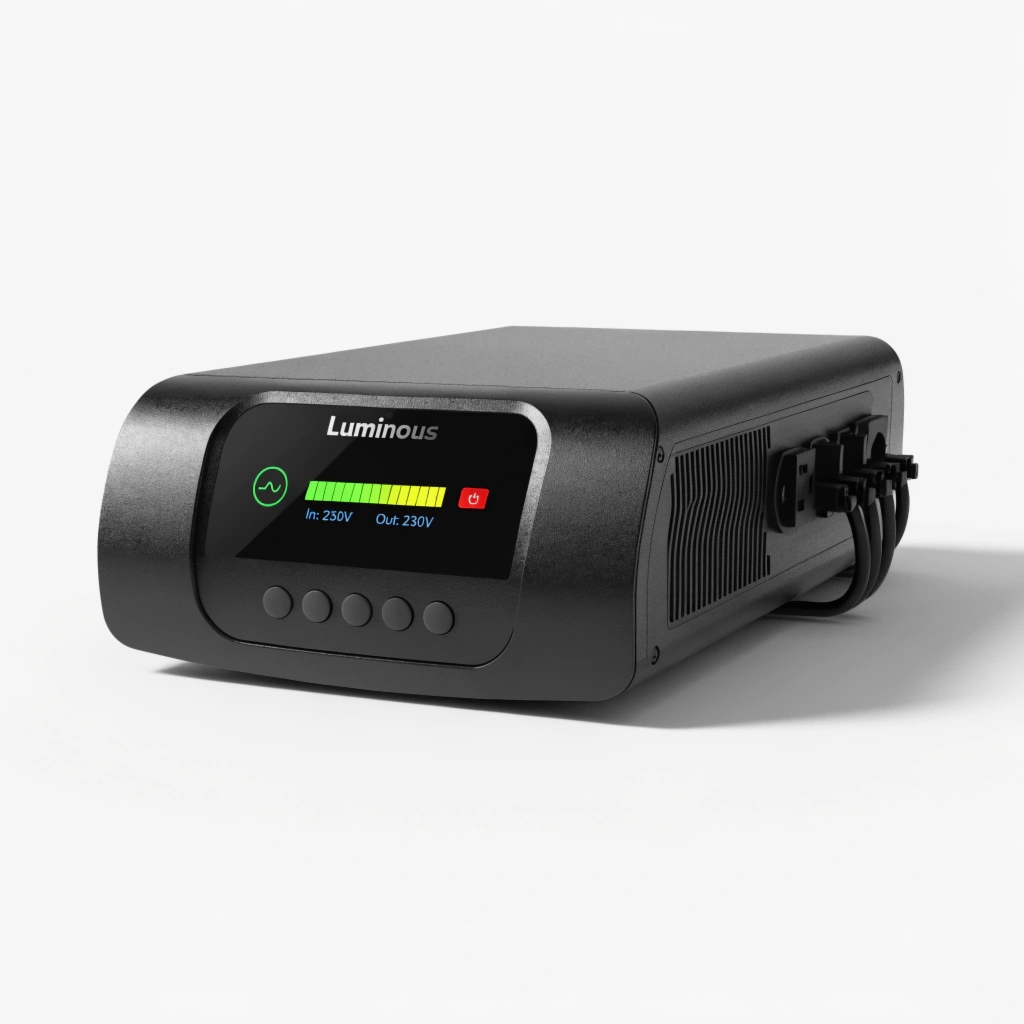
Luminous UPS systems provide reliable power protection with features like pure sine wave output, high efficiency, and long battery life. They suit both home and office environments.
%(percentage)Luminous UPS product
Important features include:
- Pure Sine Wave Output: Creates cleaner power that works with sensitive electronics
- Automatic Voltage Regulation: Built-in protection against fluctuations
- Fast Switchover: Typically under 10 milliseconds
- LCD Displays: Show status and battery information clearly
- Expandable Runtime: Some models allow adding extra batteries
These systems balance performance with affordability. The pure sine wave output makes them compatible with active PFC power supplies found in modern computers. Battery life varies by model but typically lasts 3-5 years with proper maintenance.
What are the different types of UPS systems?
Not all UPS devices work the same way. Different designs suit different needs.
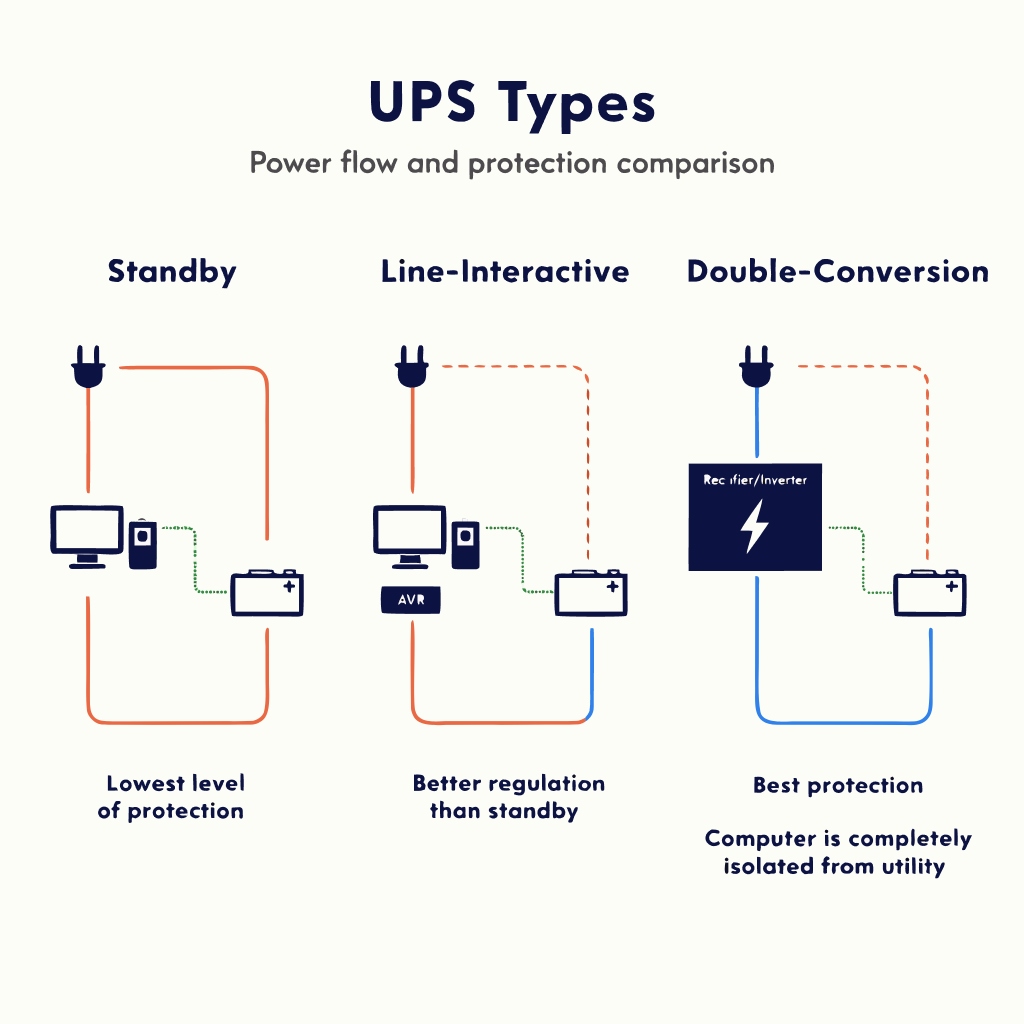
The three main UPS types are standby, line-interactive, and double-conversion. Each offers different levels of protection and efficiency for various applications.
%(percentage)UPS types comparison
Understanding the differences helps choose the right one:
| Type | How It Works | Best For | Runtime |
|---|---|---|---|
| Standby | Switches to battery during outage | Basic home use | Short (5-20 min) |
| Line-Interactive | Regulates voltage constantly | Small offices | Medium (10-30 min) |
| Double-Conversion | Always powers equipment from battery | Critical systems | Customizable |
Standby UPS costs less but provides less protection. Line-interactive models handle minor fluctuations better. Double-conversion offers the highest level of protection but uses more energy. Choose based on your equipment's value and importance.
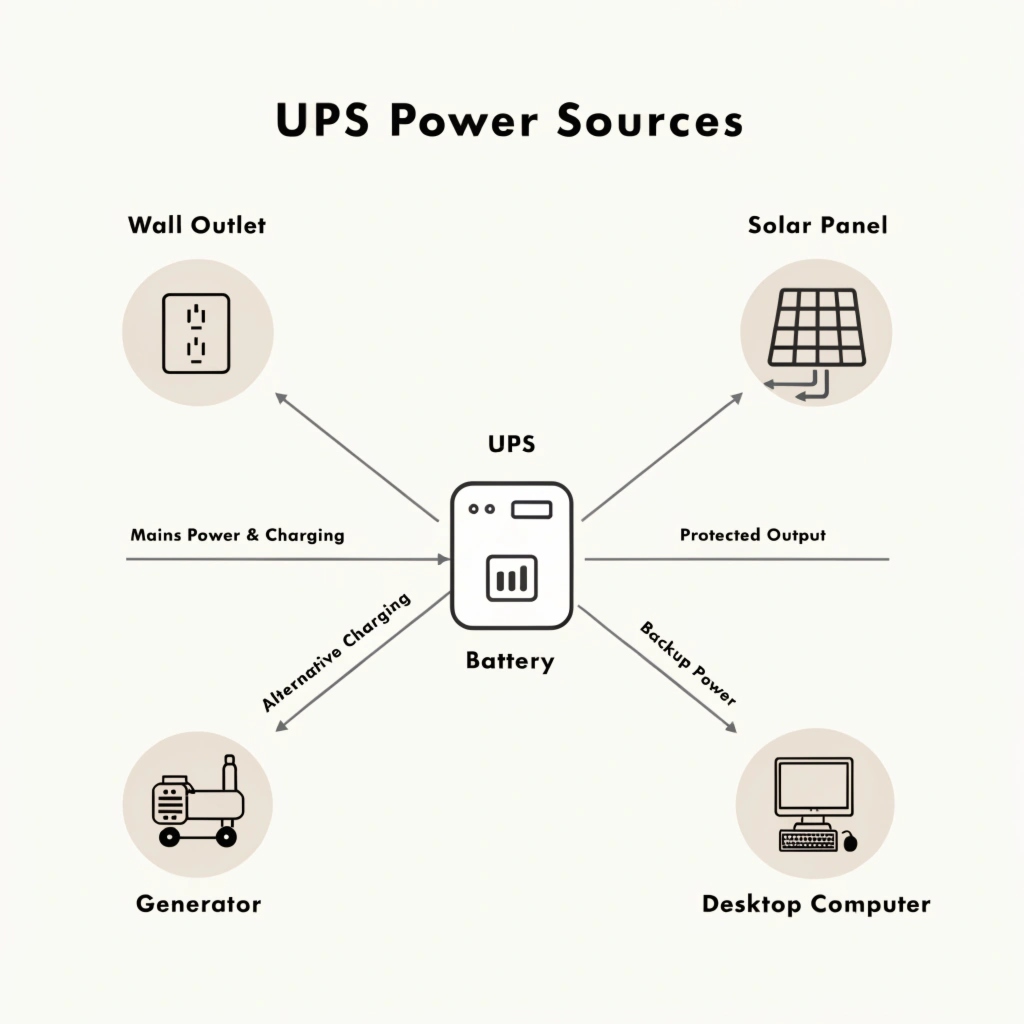
What is the power source for a UPS?
People often wonder where UPS systems get their power. The answer involves multiple sources.
UPS systems primarily use battery power during outages, but recharge from the wall outlet when mains power is available. Some industrial models can use generators or solar power.
%(percentage)UPS power sources
The power path works like this:
- Normal operation: Charges battery while powering equipment
- Outage detection: Instantly switches to battery power
- Recovery: Returns to mains power when available
- Charging: Replenishes battery after use
Advanced systems might incorporate alternative energy:
- Solar charging for remote locations
- Generator hookups for extended outages
- Network monitoring for remote management
Battery technology has improved significantly. Modern UPS units often use maintenance-free sealed lead-acid or lithium batteries that last years without service.
Conclusion
UPS systems remain essential for protecting electronics. They handle power issues that still occur despite modern grid improvements. Choosing the right type ensures proper protection.